Welcome to the quarterly 'network' newsletter from System Certification Services, providing an update on SCS certification activities and other important developments in the certification industry.
The Economic Value of Accredited
Management Systems Certification

New research commissioned by United Kingdom Accreditation Service (UKAS) highlights the significant economic value of accredited management systems certification. Analysing data from over 34,000 ISO 9001-certified firms and 14,000 ISO 14001-certified firms, the study found that certified businesses generally achieve higher revenue, productivity, and greater resilience during economic disruptions such as Brexit and COVID-19. Small and medium-sized enterprises particularly benefit, using management systems to improve structure and risk management. While immediate gains may be modest, the research concludes that accredited certification is a long-term investment that strengthens governance, supports continuous improvement, and enhances business resilience across multiple sectors.
Customer Focus - Talis Construction Ltd
Talis Construction successfully achieved recertification to ISO 9001, ISO 14001, ISO 45001 and SSIP - with a standout result of zero non-conformances, demonstrating the strength and maturity of their management systems.
Operating in a highly regulated construction environment, Talis Construction implemented certification to reinforce quality, environmental responsibility and health & safety across the business. The result has been improved structure, consistency and clarity in how projects are delivered.
Their experience with System Certification Services was described as professional, supportive and value-driven, with audits providing meaningful insight rather than unnecessary bureaucracy.
News

We are pleased to confirm that SCS can now provide accredited certification for organisations operating within the vehicle motor sales and repair sector. This enables businesses in this industry to demonstrate compliance, improve operational consistency, and build confidence with customers, suppliers and stakeholders through recognised ISO management system certification.
More information will be shared shortly on the pending release of ISO 14001:2026, including what the updates mean for certified organisations and those considering certification. We’ll be outlining the key changes, potential implications, and how businesses can begin preparing for the transition. Stay tuned.
The Value of Certification: Why It Matters for Businesses in 2026

Management systems certification has become a strategic necessity in 2026, rather than a simple compliance exercise. In an environment shaped by increased regulation, rising customer expectations, and growing competition, standards such as ISO 9001, ISO 14001 and ISO 45001 help organisations build credibility, trust and operational consistency. Beyond meeting requirements, certification provides a structured framework to improve efficiency, manage risk, and support better decision-making. It also plays a key role in strengthening resilience, enabling organisations to adapt to change, navigate uncertainty, and embed sustainable and responsible practices. Ultimately, certification is a long-term business tool that supports continual improvement, enhances performance, and helps organisations remain competitive in an evolving marketplace.
Navigating the Certification Journey: A Guide for Businesses
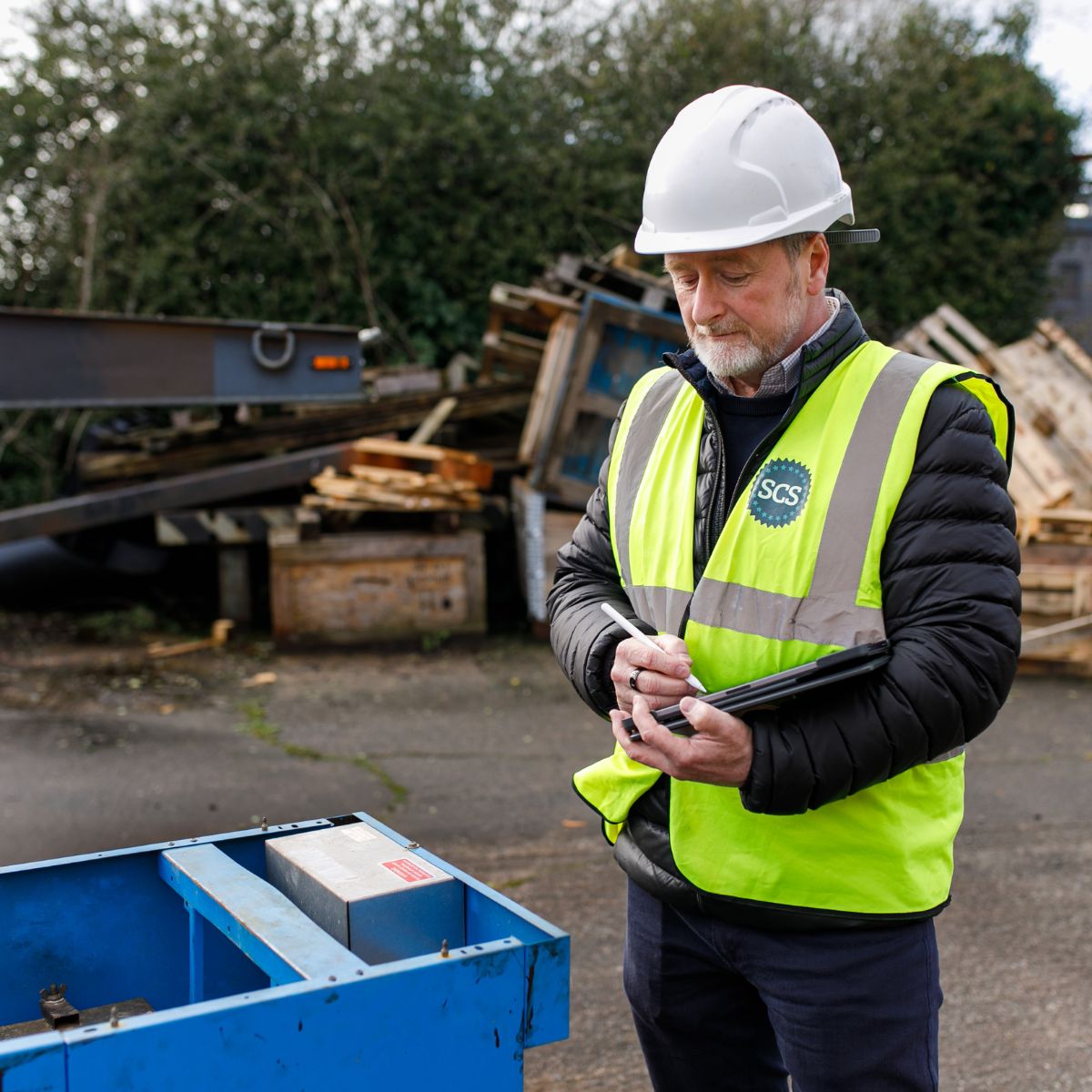
Achieving ISO certification follows a clear and structured journey, beginning with selecting the right standard and aligning it with your business objectives. From there, organisations prepare their management systems, often through a gap analysis, before progressing to a two-stage audit process. Stage 1 assesses readiness, while Stage 2 evaluates how effectively the system is implemented in practice. Any nonconformities identified are addressed through corrective action before an independent certification decision is made.
Certification is then maintained through a three-year cycle, with annual surveillance audits to ensure continued effectiveness and ongoing improvement. The real value lies beyond achieving the certificate — providing a structured framework to improve consistency, reduce risk, and support long-term business performance and resilience.
Follow our Socials!